AI Based Design
Agentic AI Design Agents Reshape Studio Workflows in 2026
Agentic AI now plans and runs multi-step design workflows on its own. See how autonomous agents reshape studios in 2026.

Design Agents Now Run Whole Workflows on Their Own
An agentic AI does more than answer a prompt. It plans a goal, picks its tools, and executes many steps in order. A copilot waits for your next instruction. An agent keeps working until it finishes the job.
This shift changes how studios treat AI in 2026. Teams no longer babysit a chatbot through every micro-decision. They hand the agent a brief, a set of constraints, and a deadline. The agent then reasons across the whole task and reports back with real results.
The distinction matters for design work specifically. A true design agent reads structured data like CAD models, codes, and material specs. It produces outputs you can test, measure, and repeat. It runs inside your production tools, not off in a separate chat window.
How a Design Agent Actually Works
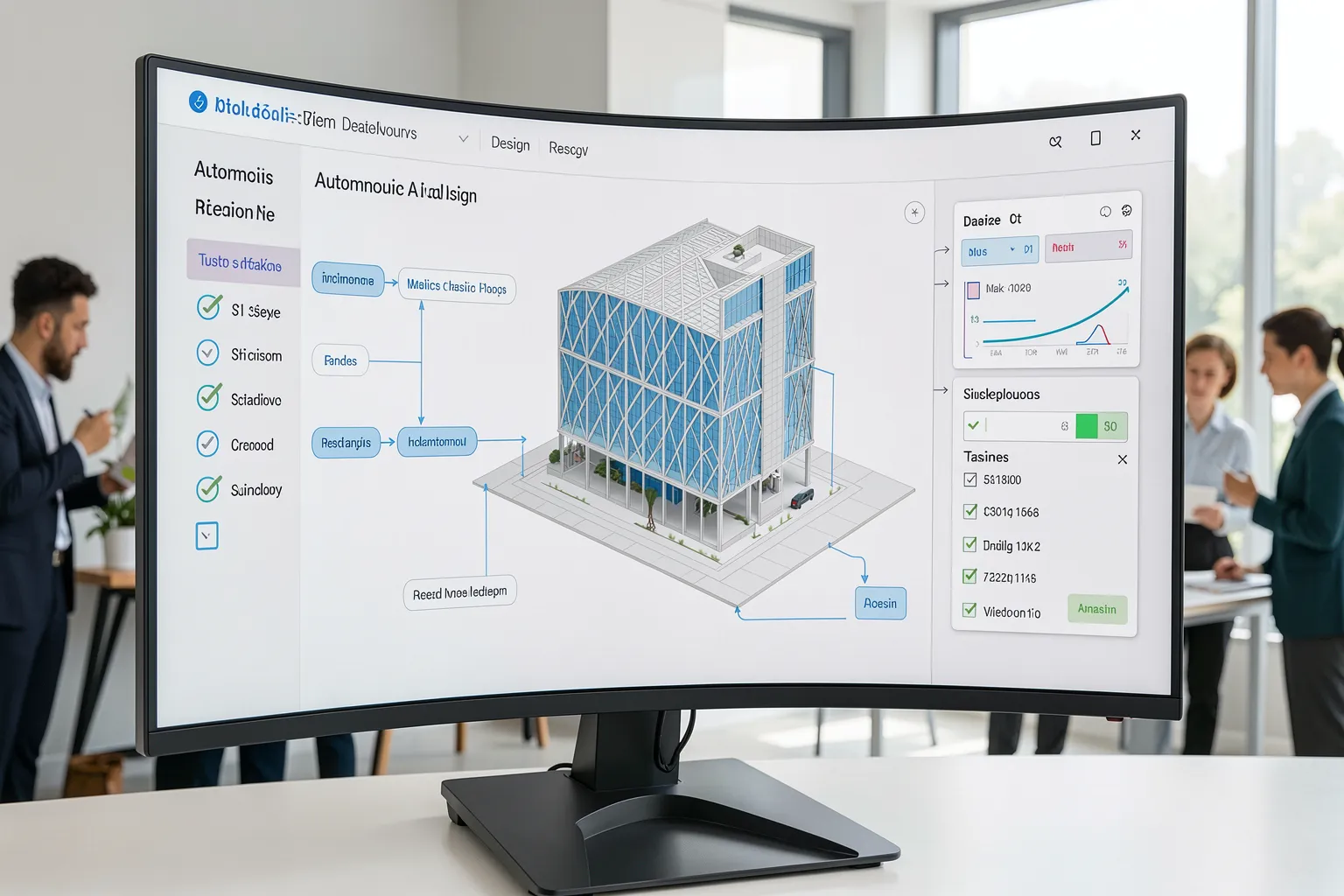
The agent starts by breaking a brief into concrete subgoals. It might size a facade, check daylight, and cost the structure in sequence. Each step feeds the next, so the plan stays coherent from start to finish.
Next, the agent calls the tools it needs to reach each subgoal. It queries a parametric model, runs an energy simulation, and pulls a supplier catalog. It reads every result, judges the outcome, and decides its next move. This loop repeats until the design meets the stated constraints.
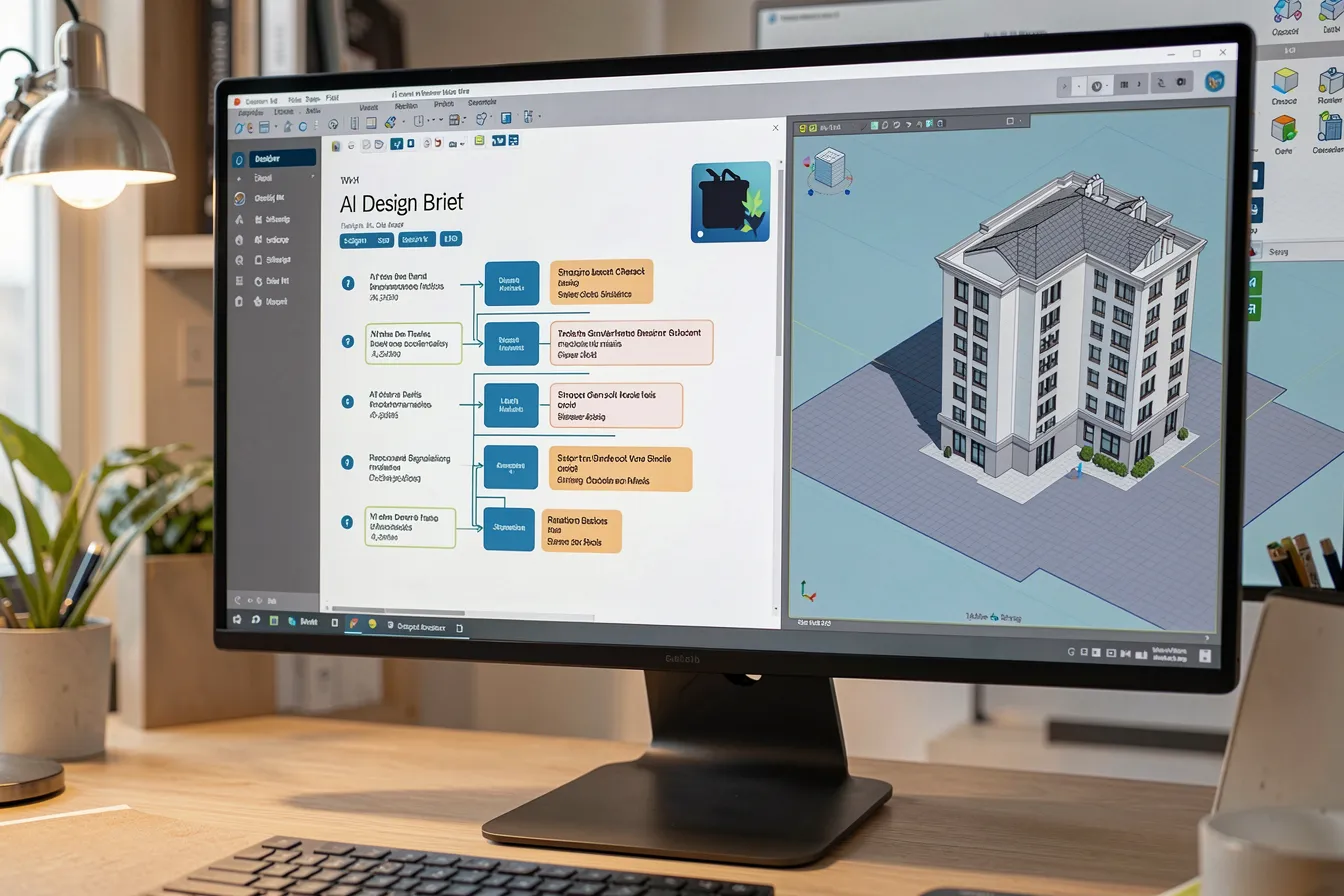
Crucially, the agent shows its work at each stage. It logs why it chose a wall type or rejected a layout. Designers inspect that reasoning and steer the agent when the direction drifts. Control stays with the human, even while the machine does the heavy lifting.
Why Architecture and Product Studios Adopt Agents in 2026
Studios win back their scarcest resource, which is senior time. An agent handles the repetitive setup, the option generation, and the first-pass checks. Designers then spend their hours on judgment, taste, and client relationships. The tedious groundwork no longer eats the whole week.
Speed compounds across every early phase of a project. The agent explores dozens of viable options while the team sleeps. It filters weak ideas against code, carbon, and budget before anyone reviews them. Mornings start with a shortlist, not a blank canvas.
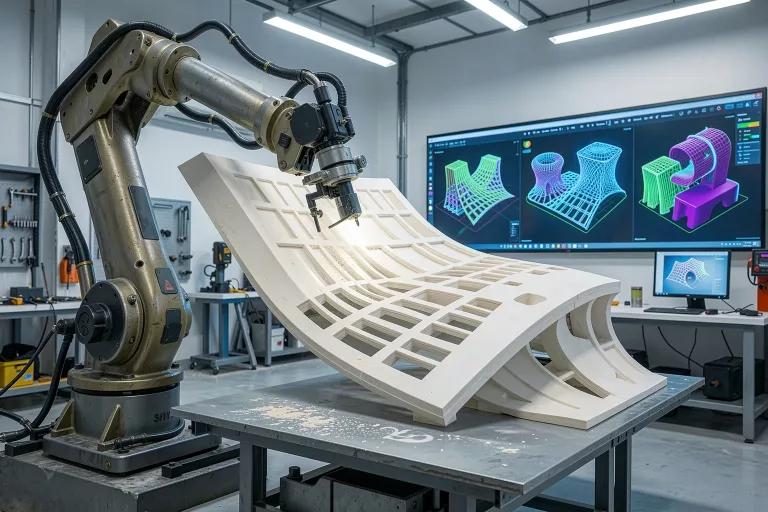
Product teams see the same pattern in hardware development. An agent proposes shapes, tests them against strength and weight targets, and iterates fast. It shortens the gap between a rough concept and a manufacturable part. Engineers validate the winners instead of drafting every loser by hand.
Agents Plus Generative Design and CAD
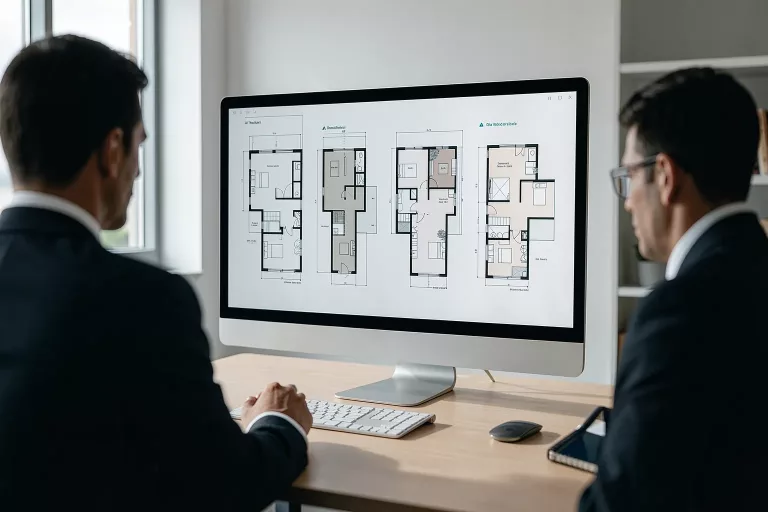
Agentic AI and generative design reinforce each other directly. Generative tools produce many forms, and the agent decides which ones survive. The agent scores each option, discards the failures, and refines the leaders. This partnership turns raw output into a defensible design decision.
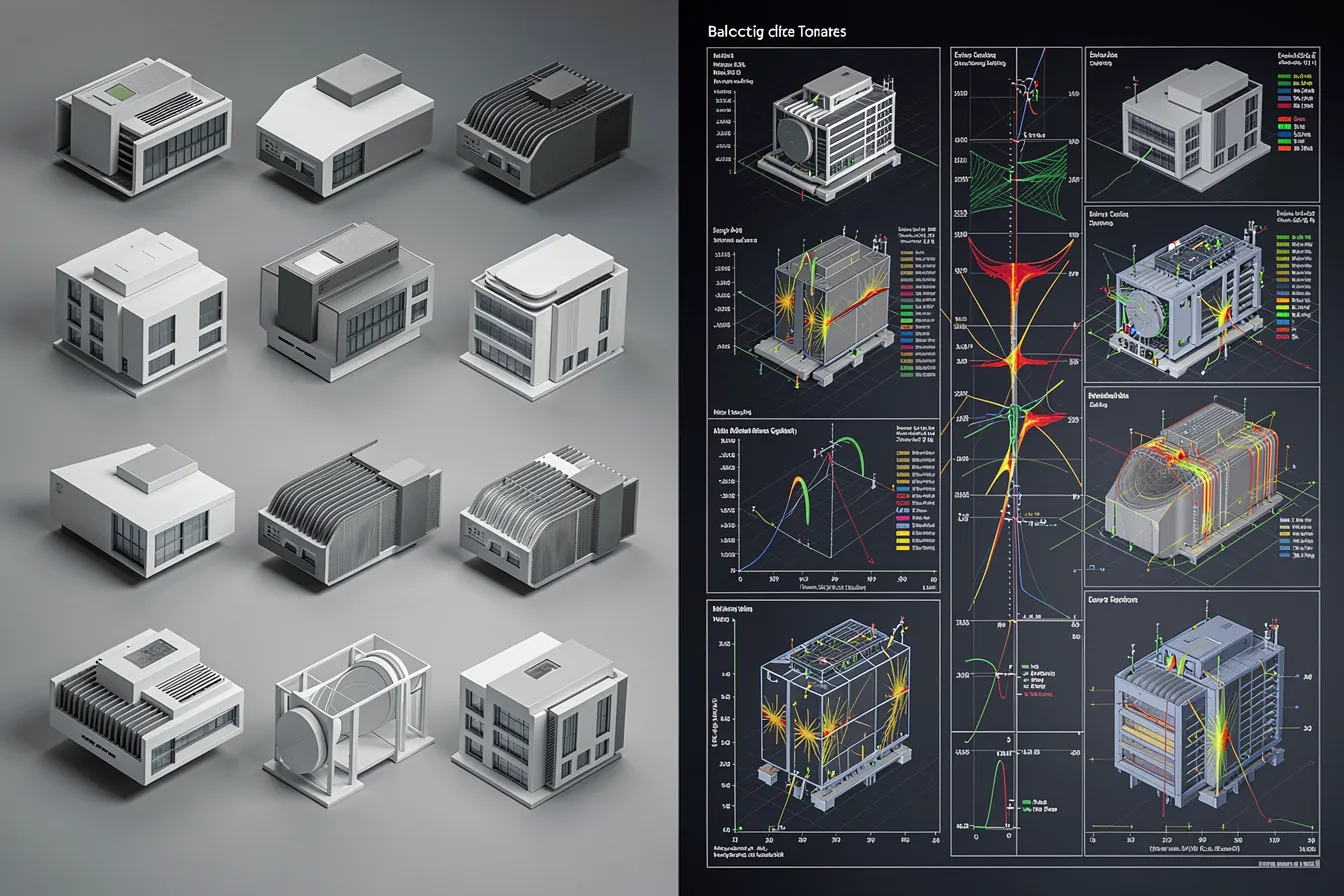
The agent also keeps every result tied to real engineering data. It never drifts into a pretty image that ignores structure or cost. It anchors each choice to the CAD model, the site rules, and the specs. Buildability and manufacturability stay in the loop the entire time.
Voice and sketch now trigger these long-running sessions. A designer describes a room or draws a rough massing, and the agent takes over. It builds the model, tests the options, and returns a coherent proposal. The interface fades, and the intent drives the whole workflow.
Frequently Asked Questions
How does a design agent differ from an AI copilot?
A copilot reacts to one instruction at a time. An agent plans a goal and runs many steps without fresh prompts. It calls tools, reads results, and corrects itself along the way. You give it a brief, not a running commentary.
Can I trust an agent to make design decisions?
Treat the agent as a fast junior, not a final authority. It shows its reasoning and every trade-off it weighed. You inspect that logic, approve the strong moves, and reject the rest. The agent proposes, and you decide.
Do I need to replace my existing CAD tools?
No. Good design agents plug into the software you already run. They drive your parametric models, simulations, and catalogs through their normal interfaces. You keep your files, your standards, and your workflow intact.
Put a Design Agent to Work
Agentic AI moves design from constant prompting to real delegation. It plans, executes, and reports while your team focuses on judgment. Studios that adopt agents now will ship faster and explore wider. The technology rewards the people who learn to direct it.
See how our team builds agentic and generative workflows for real projects. Visit Pixintellect to explore the tools and start directing your own design agents.