AI Based Design
RAG Copilots Bring Grounded Design Knowledge Into CAD in 2026
In 2026, retrieval-augmented copilots read your standards and catalogs, then answer inside your CAD tool with cited, checkable design knowledge.

Design Tools Learn to Cite Their Sources
Design software finally answers questions with proof. In 2026, retrieval-augmented copilots read your company files, then respond inside the tool you already use. They pull the exact standard, datasheet, or catalog entry that supports each suggestion. Designers stop guessing, and they stop switching tabs to hunt for context.
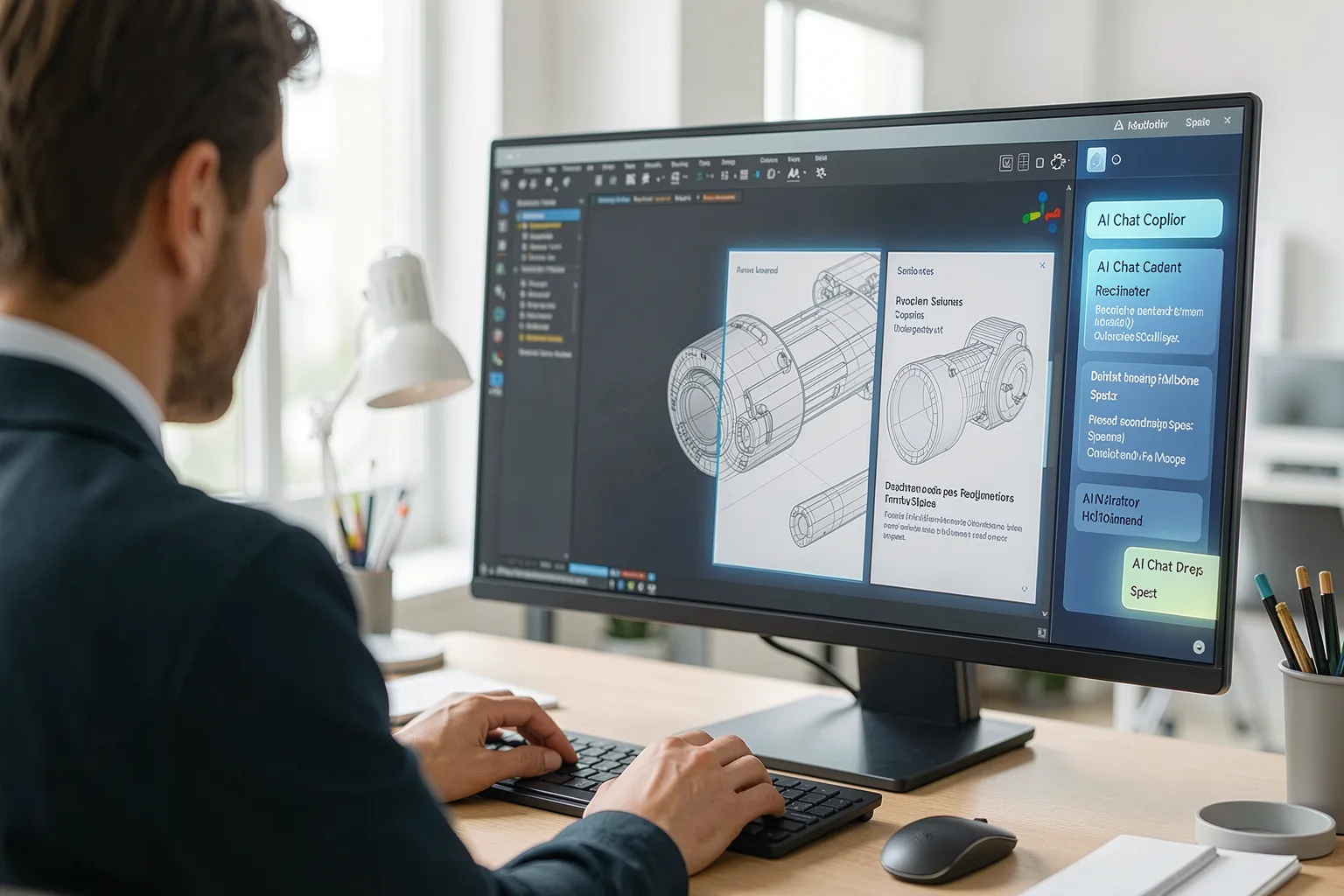
Siemens shipped one such copilot in Designcenter for Solid Edge 2026. The assistant chats with you across every tier, and it never forces you to leave the modeling environment. Other vendors race to match this pattern. The message reads clearly: grounded answers now beat clever answers.
Retrieval-augmented generation, or RAG, drives this shift. The model first searches a trusted knowledge base, then it writes a reply from what it found. This simple order flips the reliability equation. The copilot cites real documents instead of inventing plausible ones.
Why Grounding Changes Everything
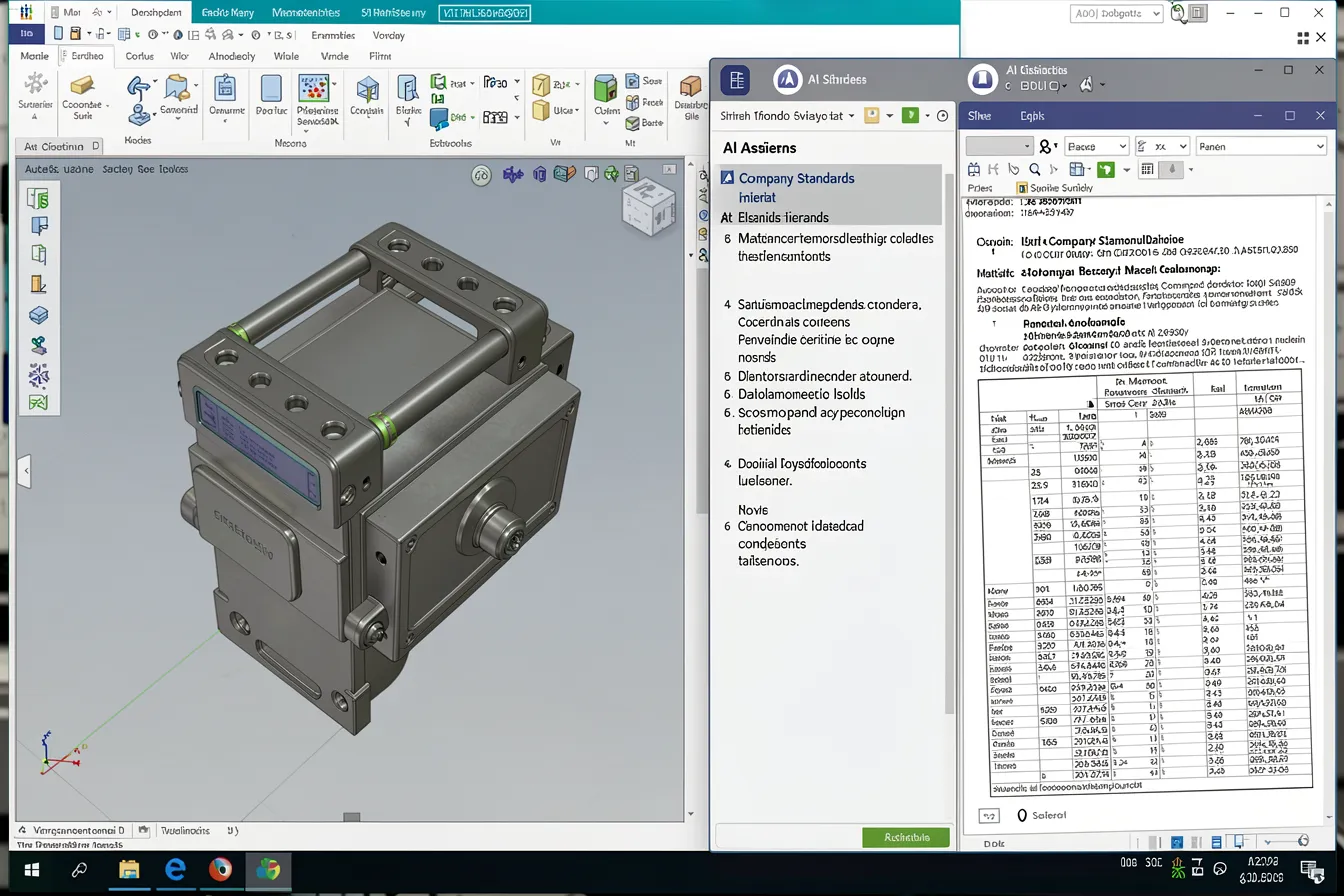
A generic chatbot guesses from its training data. It cannot see your bolt library, your fire codes, or your client brief. So it drifts toward confident nonsense. Grounding fixes this failure at the root, because the copilot reads your actual sources before it speaks.
Teams gain three things at once. They cut research time, because the assistant fetches the clause instead of the designer. They raise accuracy, because every claim points back to a document. They protect authorship, because the human still decides what to accept.
Enterprises reached a tipping point in 2026. Data volumes grew, regulations tightened, and buyers demanded traceable output. RAG moved from experiment to production backbone. Design leaders now treat a knowledge base as core infrastructure, not a side project.
Where Copilots Add Real Value
Material selection improves first. A designer asks for a food-safe polymer that tolerates heat, and the copilot returns options from the approved supplier list. It links each choice to a datasheet, so the engineer verifies the claim in seconds.
Compliance work speeds up next. An architect checks a stair detail against the local code, and the assistant surfaces the exact clause. The team reads the source together, then adjusts the model with confidence rather than hope.
Onboarding also sharpens. New hires query the shared knowledge base like a patient expert. They learn the studio’s conventions fast, and senior staff answer fewer repeated questions. The whole team moves at a steadier pace.
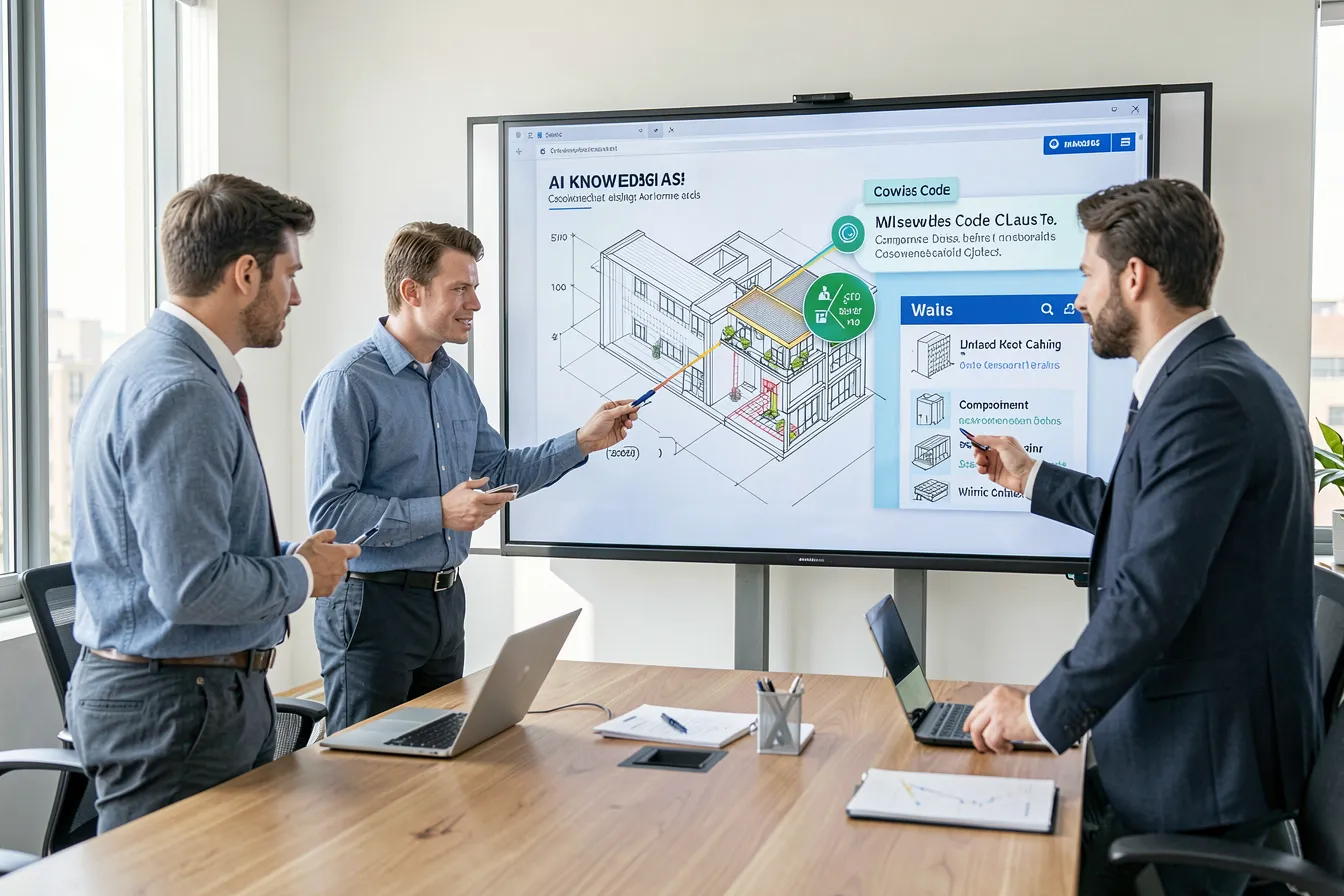
How to Build a Grounded Copilot
Start with clean sources. Gather your standards, catalogs, past projects, and specifications into one indexed store. Quality here decides everything, because the copilot can only cite what you feed it. Messy inputs produce messy answers.
Add a vector database next. It stores meaning, not just keywords, so the system retrieves the right passage even when wording differs. Then connect the model, and instruct it to answer only from retrieved text. Force it to admit gaps instead of filling them.
Test with hard questions last. Ask edge cases, and confirm every reply links to a real document. Track wrong answers, refine the index, and repeat. A grounded copilot earns trust through evidence, and evidence demands steady maintenance.
Frequently Asked Questions
Does a RAG copilot replace the designer?
No. The copilot fetches facts, but the designer judges them. It hands you the standard, the datasheet, and the precedent, then you decide. Authorship stays with the human, and the tool simply removes the search friction around each decision.
How does grounding reduce hallucination?
The model reads your documents before it answers. It quotes retrieved passages instead of guessing from memory. When no source matches, a well-built copilot says so. This order — retrieve, then generate — keeps replies tied to real evidence you can check.
What do we need to start?
You need three parts: a clean set of trusted documents, a vector index that stores their meaning, and a model wired to answer only from that index. Start small with one domain, prove the value, then widen the knowledge base over time.
The Grounded Studio Wins
AI stops impressing and starts helping when it cites sources. Grounded copilots turn scattered knowledge into instant, checkable answers inside your design tools. They respect the designer, protect the brand, and speed the work. Teams that index their expertise now will out-design teams that still search by hand.
We build AI-driven design and visualization workflows for real projects. Visit Pixintellect to explore the tools and put grounded knowledge at the center of your next design.
Images: AI-Designed